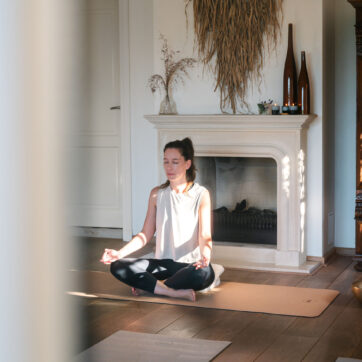
Why High Performers Struggle to Truly Rest – And what science says about real recovery
By Bernadette | bewithbalance Magazine
High performers know how to push.
They know how to lead.
They know how to deliver.
What many of them don’t know anymore is how to truly rest.
Despite five-star hotels, first-class flights and carefully planned holidays, a growing number of executives, entrepreneurs and leaders return from vacation feeling… unchanged. Sometimes even more exhausted than before.
This is not a personal failure.
It’s a structural one.
And it has very little to do with motivation, discipline or mindset.

The hidden problem: recovery without regulation
From the perspective of neuroscience and occupational psychology, one thing is clear:
Recovery is not the absence of work.
It is the restoration of the nervous system.
Most high performers spend the majority of their lives in sympathetic dominance: goal-oriented, alert, responsive, responsible.
This state is highly effective in leadership contexts.
But it comes at a cost.
Over time, the body forgets how to downshift.
Even when work stops, the system continues to perform.
You may be on holiday.
But your nervous system is still on duty.
Why time off is not the same as recovery
Vacations that rely primarily on distraction often miss the point entirely:
- travelling faster
- seeing more
- consuming more
- planning every detail
- optimizing every experience
They rarely activate the parasympathetic nervous system: the biological prerequisite for real rest, safety and repair.
You may stop working.
But your system does not stop performing.
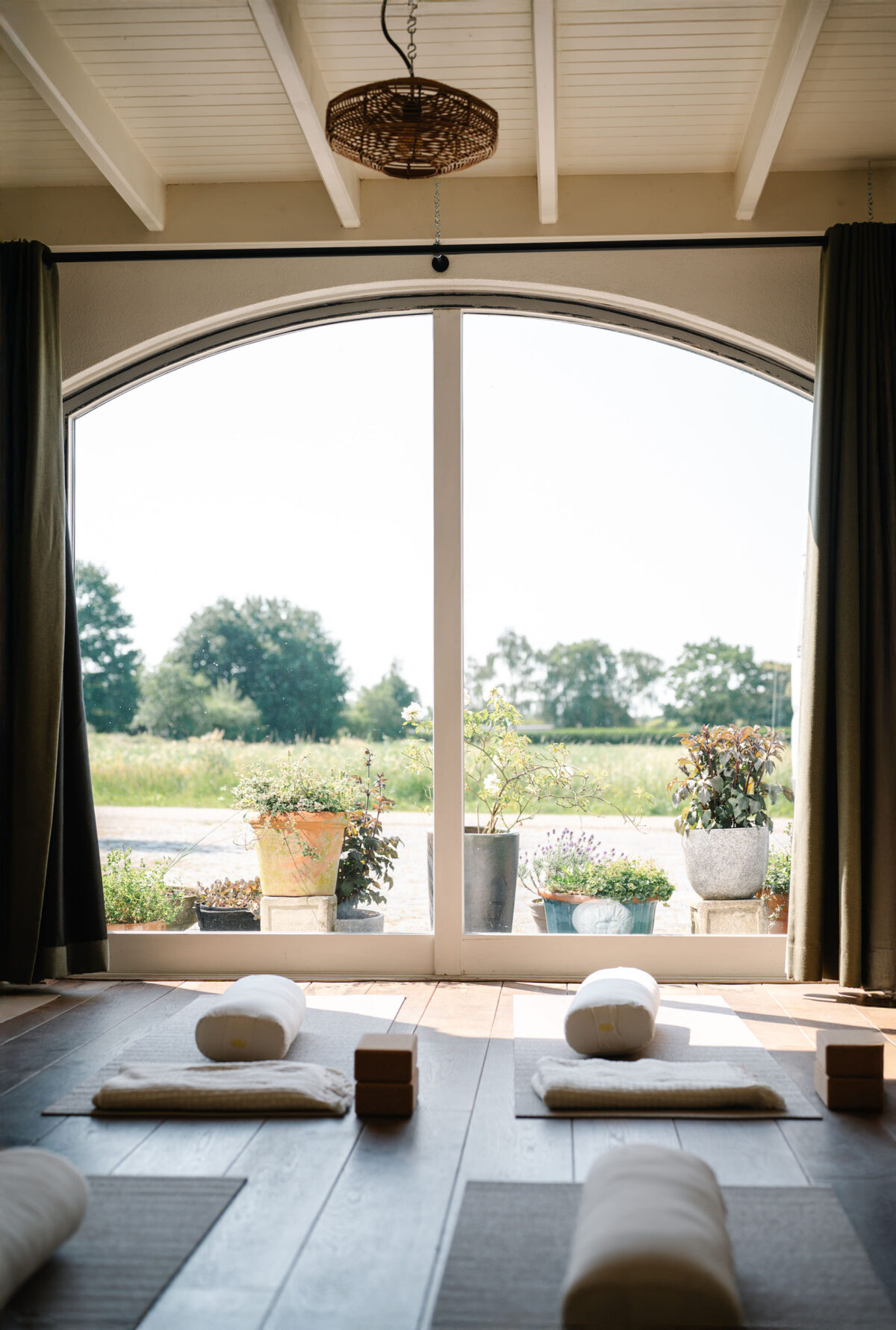
Why traditional holidays no longer work for high responsibility roles
Many leaders unconsciously recreate performance dynamics while travelling:
- packed itineraries
- “making the most of the time”
- managing family expectations
- coordinating logistics
- holding everything together
Psychologically, the holiday becomes another project.
Research on stress and recovery shows that cognitive detachment alone is insufficient for people in high-responsibility roles.
What’s required instead is somatic downregulation.
Practices and environments that signal safety to the body.
This explains why surface-level wellness often feels pleasant but fleeting:
- spa treatments without integration
- fitness without regulation
- beautiful settings without rhythm
Enjoyable, yes.
Transformative, rarely.
The rise of conscious travel and intentional retreats
A different form of travel is emerging among senior leaders, entrepreneurs and high performers.
Not escape.
Not withdrawal.
But intentional recovery environments.
These journeys are defined less by activities and more by what is removed.
What distinguishes conscious recovery spaces
They are characterised by:
- reduced decision load
- minimal schedules
- gentle guidance rather than instruction
- environments designed for nervous-system regulation
- space for both solitude and meaningful connection
Importantly, they integrate into real life.
Families.
Partnerships.
Leadership identities.
No need to step out of who you are.
No pressure to become someone else.
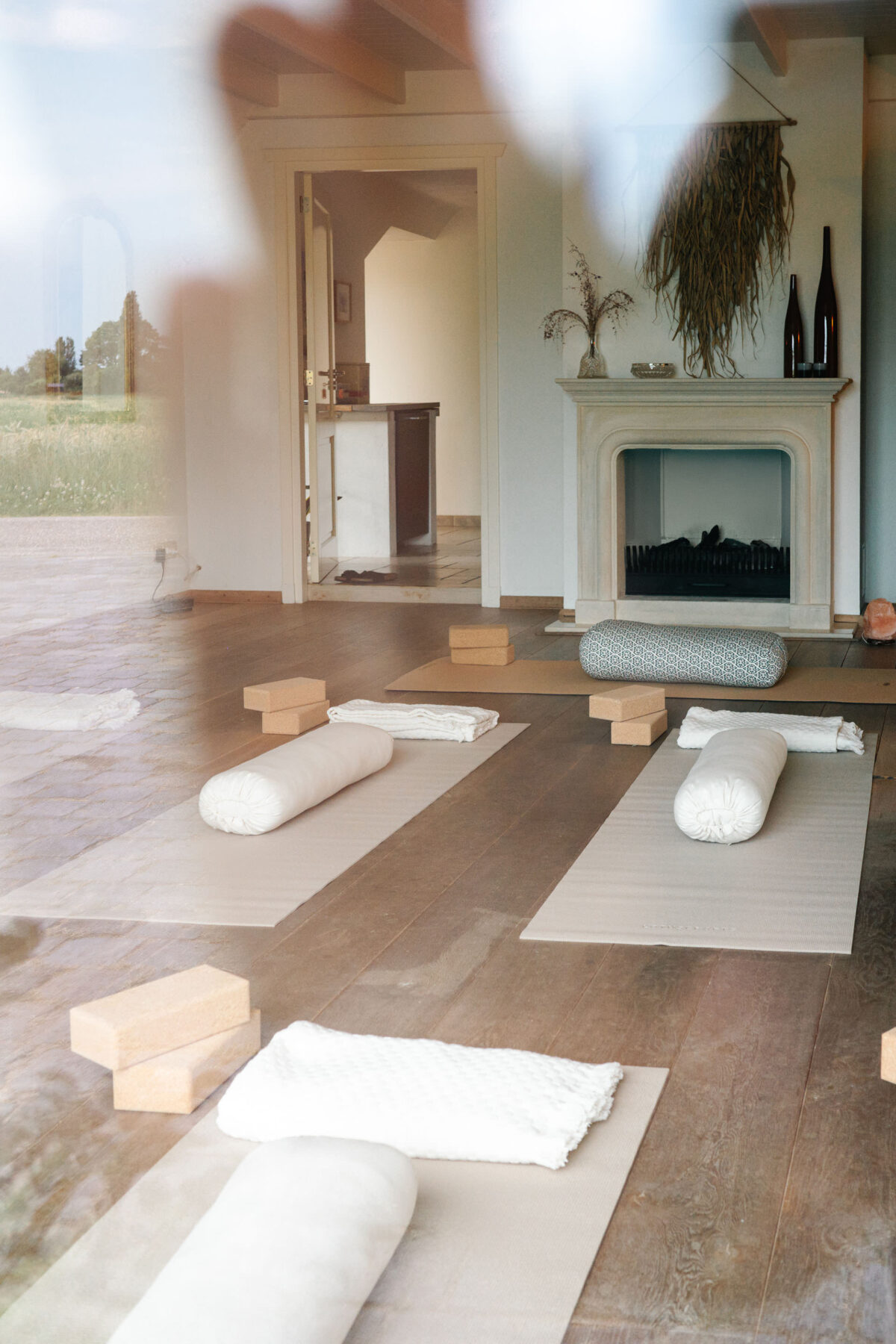
Why balance must be designed, not hoped for
From a systems perspective, balance does not happen automatically.
It emerges when external conditions support internal regulation.
This is why environment matters far more than willpower.
Elements that truly support recovery
- architecture and light
- rhythm of the days
- quality and timing of nourishment
- emotional safety
- presence of non-demanding support
For high performers, rest must feel legitimate.
Not indulgent.
Not unproductive.
Not something to justify.
When the setting holds you, your system can finally let go.
What science tells us about sustainable recovery
Here are five evidence-informed insights that consistently show up in research and lived experience:
- Rest requires nervous-system safety, not just time off. Without a felt sense of safety, the body does not downshift.
- Less structure enables deeper regulation. Too much scheduling keeps the system in performance mode.
- Somatic practices outperform purely cognitive strategies. The body must be included for change to last.
- Shared presence supports emotional recovery. Being held in connection reduces vigilance and control.
- Integration matters more than intensity. What changes how you return matters more than what you do while away.
True recovery is not about the moment of leaving.
It’s about the quality of your return.

A different kind of retreat experience
At bewithbalance, retreats are not designed as escapes from life.
They are designed as gentle re-entries.
Spaces where high performers can:
- downshift without losing themselves
- rest without guilt
- reconnect without performing
- experience regulation that carries back into everyday life
Small groups.
Intentional rhythm.
Quiet luxury.
Evidence-informed practices.
And enough space to simply arrive.
When slowing down becomes a strategic decision
In a world that keeps accelerating, the most forward-thinking choice a leader can make may be this:
To relearn how to slow down.
Consciously.
Safely.
With support.
Not to do less.
But to return more fully.
Join the bewithbalance Retreat
If this resonates — not as an idea, but as a felt recognition — you are warmly invited to explore the next bewithbalance Retreat.
A curated space for real recovery, nervous-system care and embodied presence.
👉 Discover the retreat details here
👉 Book your place directly
Sometimes, the most powerful leadership decision is not another push forward.
It is a conscious pause – designed to change how you return.